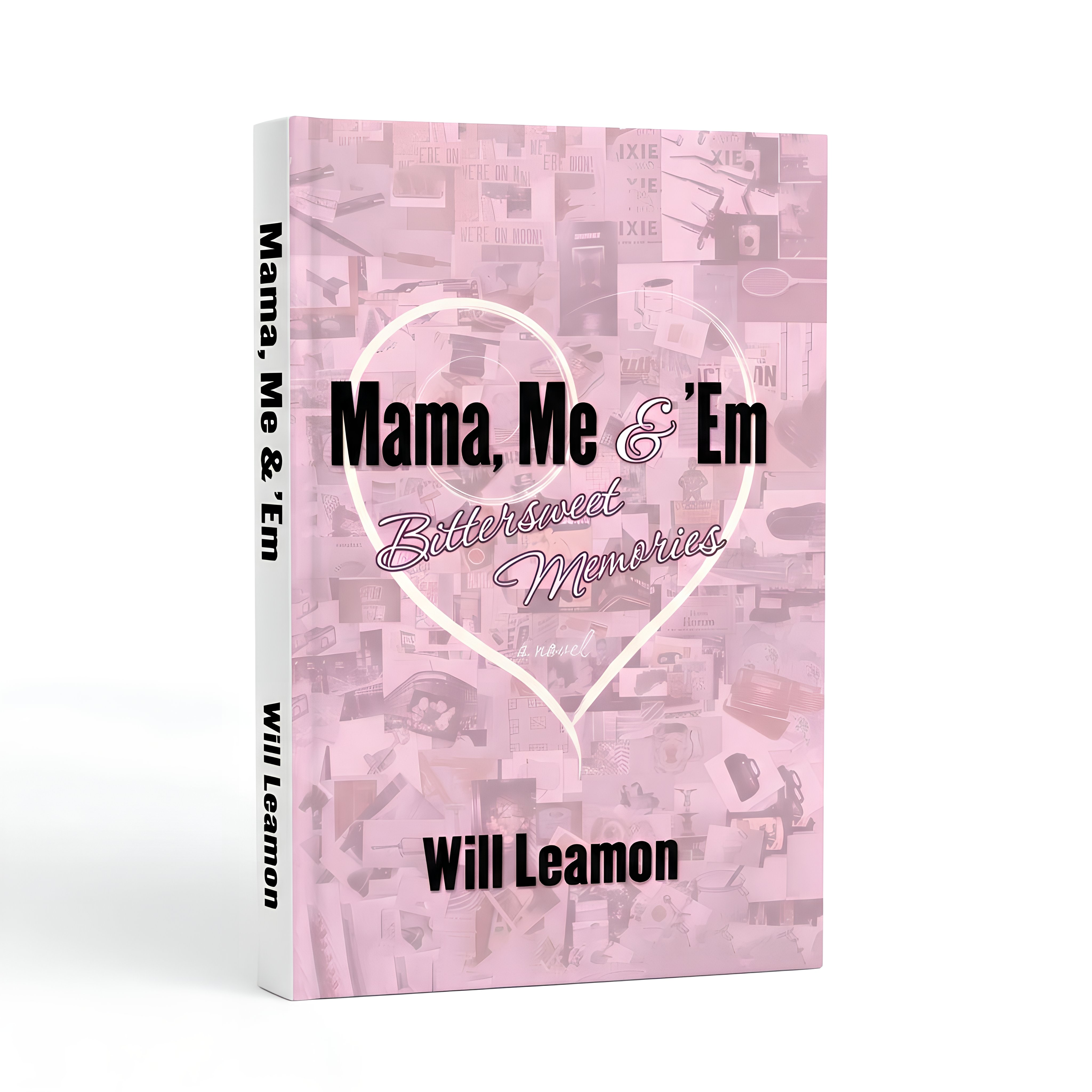
The year 1942 was not simply a point on a timeline. It was a living, breathing pressure cooker with blackout shades pulled down over every window, ration books tucked into Bibles, and the air everywhere thick with a particular kind of dread that only people living inside a world war can really understand. Against all of that, in a modest tenement flat on Myers Street in Charlotte, North Carolina, a young woman named Emma Mae Holmes lay in her bedroom, laboring through her first childbirth by the light of borrowed table lamps. That is where Willie John’s story begins.
Why Charlotte? Why that street? Why that moment?
Because history is never just in the history books. It lives in the tenements. It breathes in the cramped kitchens.
A Microcosm of Resilience
Myers Street in the Colored section of Charlotte was not a place most people in 1942 would have thought to call remarkable. But I chose it precisely because it was ordinary, and because ordinary Black life in the American South during that era contained great complexity, dignity, and heartbreak.
When I set the opening scene of Mama, Me and ‘Em on that street, I wanted to ground the story in something tangible, not a symbol, not an abstraction, but a real place where real people made their lives under conditions that were anything but easy. Emma Mae was twenty-four years old when she gave birth to my narrator, Willie John. The South in 1942 was hard for Black Americans, and Charlotte was no exception. Segregated hospitals, segregated buses, Jim Crow staring people in the face at every corner. And yet, on Myers Street, there was also Nanna Jane Calhoun, Willie John’s grandmother, standing broad-shouldered in that little bedroom, frowning her famous Calhoun frown, and making sure her daughter got through the night alive and whole. Nanna was not just a midwife. She was a bridge between generations, between the rural South Carolina farm she came from and the uncertain world her daughter was trying to build in Charlotte.
That is the kind of resilience I wanted to write about. Not the performed, made-for-a-poster kind. The kind that shows up at midnight, wrings out a cloth, and hums a hymn by the kitchen sink at three in the morning.
“The profound historical backdrop of Myers Street formed the foundation of Willie John’s resilient spirit.”
Emma had followed her young husband Willis to Charlotte after two grinding years trying to farm rented land in South Carolina, even though the land that was never going to give them enough, on terms that were never going to be fair. They arrived in that tenement with almost nothing: a few sticks of furniture from the church donation shed, ration stamps, a small victory garden out back, and each other. Charlotte, for all its hardships, offered something the farm could not. It offered motion. The possibility of something more.
What I wanted to capture was that contrast, between Charlotte, North Carolina, and the gleaming, terrifying pull of New York City that would eventually draw a fleeing mother and her son northward. The journey from Myers Street to Brooklyn is not just a journey of miles. It is a journey of identity. Of who a woman decides she is going to be, and at what cost.
The Bittersweet Truth
Writing about 1942 was, ultimately, an act of love toward my ancestors. Not a sentimental love that smooths things over, but an honest one, the kind that can hold grief and laughter in the same hand.
Emma Mae’s world was full of contradictions. She was sharp, proud, and quietly stubborn in ways that confounded even the people who loved her most. She kept her counsel with very few people and trusted even fewer. She wanted beautiful things, pretty shoes, linen fabric, evening-in-Paris perfume, and she wanted them not out of vanity but out of a fierce insistence that her life was worth something fine. She had grown up barefoot in borrowed shoes, and she was done with that.
And then there was the humor. The Saturday nights when she and her best friend Mabel would sit on the porch rocking and talking each other’s ears off. Like the time she told Mabel, in all seriousness, that her body was craving chocolate because it knew what it needed! The way she and Nanna argued over everything and agreed on everything that mattered. I could not write this book without that laughter in it, because that laughter was real. It was part of how they survived.
This is an American story in the fullest sense, steeped in love and tragedy, in misunderstanding and stubbornness, in the specific absurdity of racism and the specific grace of people who refused to be flattened by it. I am not a neutral narrator of these lines. I am part of it. And that is the only way this book could have been written honestly.
What you will find in these pages is not a polished memorial. It is history filtered through memory, which is imperfect, incomplete, and enduringly true.
2 Comments
James Smith
May 17, 2026Such a profound insight into your creative process! I loved reading about the connection to the Great Migration.
Will Leamon Author
May 17, 2026Thank you, James! Taking that journey through my ancestors' footsteps was life-changing.
Maria Jenkins
May 18, 2026I lived in Brooklyn right around the time you described the move. You really captured the essence of the city then. Beautiful piece.
Leave a Comment